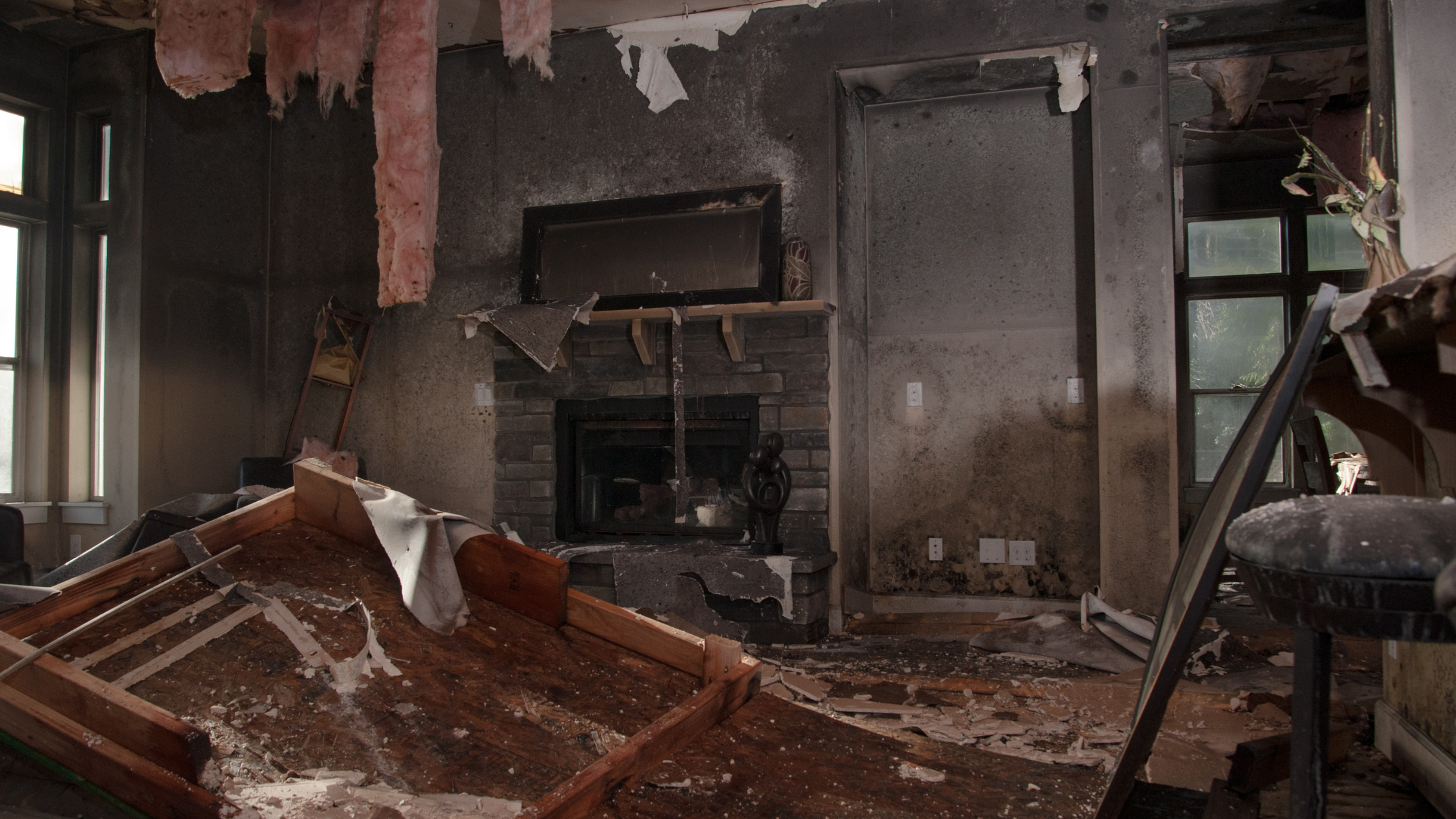
As we head into what is sure to be a difficult winter for those who are already struggling to keep on top of their energy bills, we take a look at the landscape when it comes to fuel poverty, and why that places danger on the doorstep of everyone in high-rise buildings.
Fuel Poverty is a Killer
When people can’t pay their energy bills or are in debt to an energy company which they can’t afford to repay, they’re likely to look around for cheaper alternatives, no matter how unsafe they might be. Risky home heating practices, such as bringing gas canisters into high-rise and high-risk buildings, become more common as budgets tighten. In Scotland, 24% of the population faces fuel poverty, leaving more homes than ever before at risk of fire. Although not strictly true, the perception that using gas cylinders is cheaper is fairly common. As more tenants start struggling with making ends meet, more will likely take risks to keep their homes warm.
Feeling the Fire Risk at Home
Households which are classed as being in material deprivation already have a host of difficulties to deal with. However, those living in them also have an extra worry that many others don’t: 8.9% report feeling unsafe from fire. Sadly, that’s because they are – the danger on the doorstep is very real when you live closely with others.
Dwelling fires are most common in social housing, at 3.4%, and fire risk is higher than average at around 6%. These numbers are already worrying, but this disparity will likely increase as more households tip into fuel poverty this winter.
The True Cost of Fire is Unknown
The longer-term cost of fire to people and property is estimated to be an aggregated £1.1billion. However, this doesn’t take into account the significant impact of trauma upon those involved. Almost 1 in 5 people who have been in a fire incident report long-term psychological trauma. The cost of which isn’t included in the overall figure. This will also be a cost to families who find themselves trapped in flats which can’t be sold due to unsafe cladding, leading to mental health and anxiety-related problems. Social housing providers must recognise the impact of fire on people who feel unable to control the actions of their neighbours. Landlords must increase the physical safety of tenants, and improve their mental health by reducing fire anxiety.
Tenant safety is the number one priority
Given the energy price increase, social housing providers have greater responsibility this winter ensuring that tenants are safe and warm. Our metering and billing solution gives tenants real-time control over their energy bills, making payment easy and billing extremely accurate. Chameleon Detect ensures that no high-risk explosive items are brought into high-rise buildings, or are quickly and safely removed. Find out more about how to keep your tenants safe and warm this winter, contact the team at Chameleon Digitization.